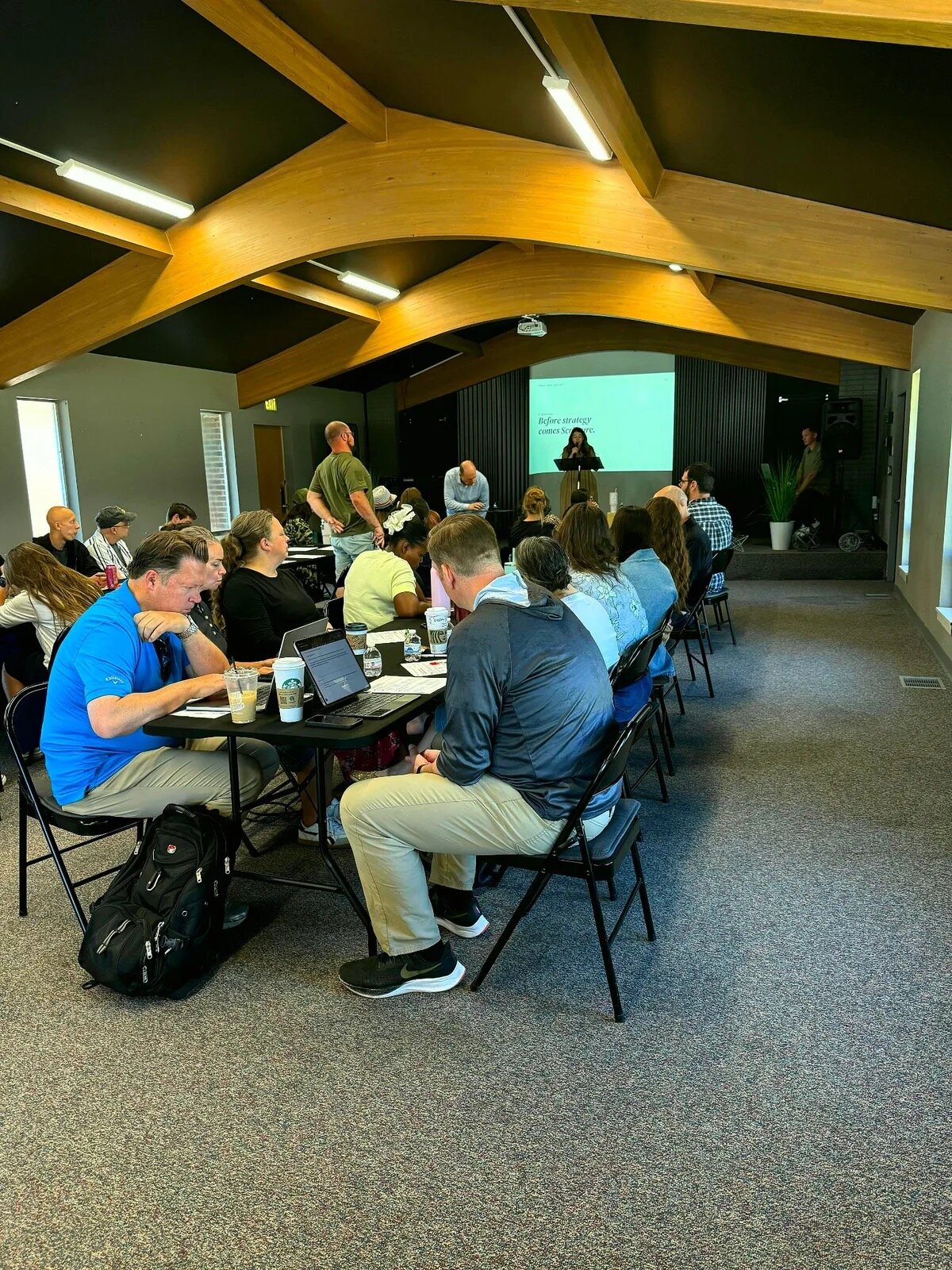
A family arrives on Sunday with hope, questions, and information that matters. A pastor wants to help. A volunteer wants to serve. A ministry leader is trying to understand communication, safety, sensory needs, classroom rhythms, and how to support the whole family.
The heart may already be there. The plan may not be.
That gap matters because families are not looking for perfect churches. They are looking for churches that are prepared to know them, disciple them, and make room for their participation in the life of the Church.
Inclusive Pathways exists to help churches build that preparation.
The need is not smaller faith
In a 2026 Baylor study of 330 Texas parents raising children with disabilities, 60% said their church involvement had decreased after having their child, even as 74% said their faith had become more important.
The contrast matters. Families may value faith deeply while church participation becomes harder.
The barrier is not always an unkind person or a closed door. It may be an unclear check-in process, a volunteer who has not been trained, a classroom that overwhelms a child’s senses, a safety question no one has answered, a parent who does not know whom to contact, or a plan that depends on one exhausted leader.
Churches can address those barriers. The work begins by seeing the whole church experience through the family’s eyes.
Most churches have the heart. What many need is a practical plan.
Disability ministry is more than a classroom
A children’s ministry may be the first place a church notices the need, but disability ministry cannot stop there.
Children grow. Teenagers need discipleship, friendship, and a place to serve. Adults need meaningful participation in worship, small groups, leadership, and community life. Parents need trust and communication. Siblings need care. Volunteers need support. Pastors need a clear way to lead the work.
A sustainable disability ministry considers the whole church:
- Leadership ownership
- Family trust and communication
- Volunteer roles and training
- Safety and care plans
- Sensory and physical access
- Accessible teaching and discipleship
- Worship, small groups, and service
- Transitions from childhood through adulthood
- Measurement, coaching, and long-term sustainability
No church needs to solve every part on the first day. It does need to understand which parts matter now and what should come next.
A sustainable ministry needs more than one willing person
Many church disability ministries begin because one parent, volunteer, or staff member cares deeply. That person becomes the translator, trainer, problem-solver, relationship holder, and emergency plan.
Their faithfulness matters. The problem appears when the entire ministry depends on them.
If the person becomes tired, moves, changes roles, or needs a season away, families may lose the consistency they trusted. Volunteers may no longer know where to turn. Leaders may not understand the decisions that shaped the ministry.
Sustainability requires shared ownership. A ministry champion can lead the work, but that person needs leadership support, a small trained team, written practices, clear communication, and a realistic timeline.
The goal is not to remove relationship from disability ministry. The goal is to create enough structure for relationships to remain dependable.
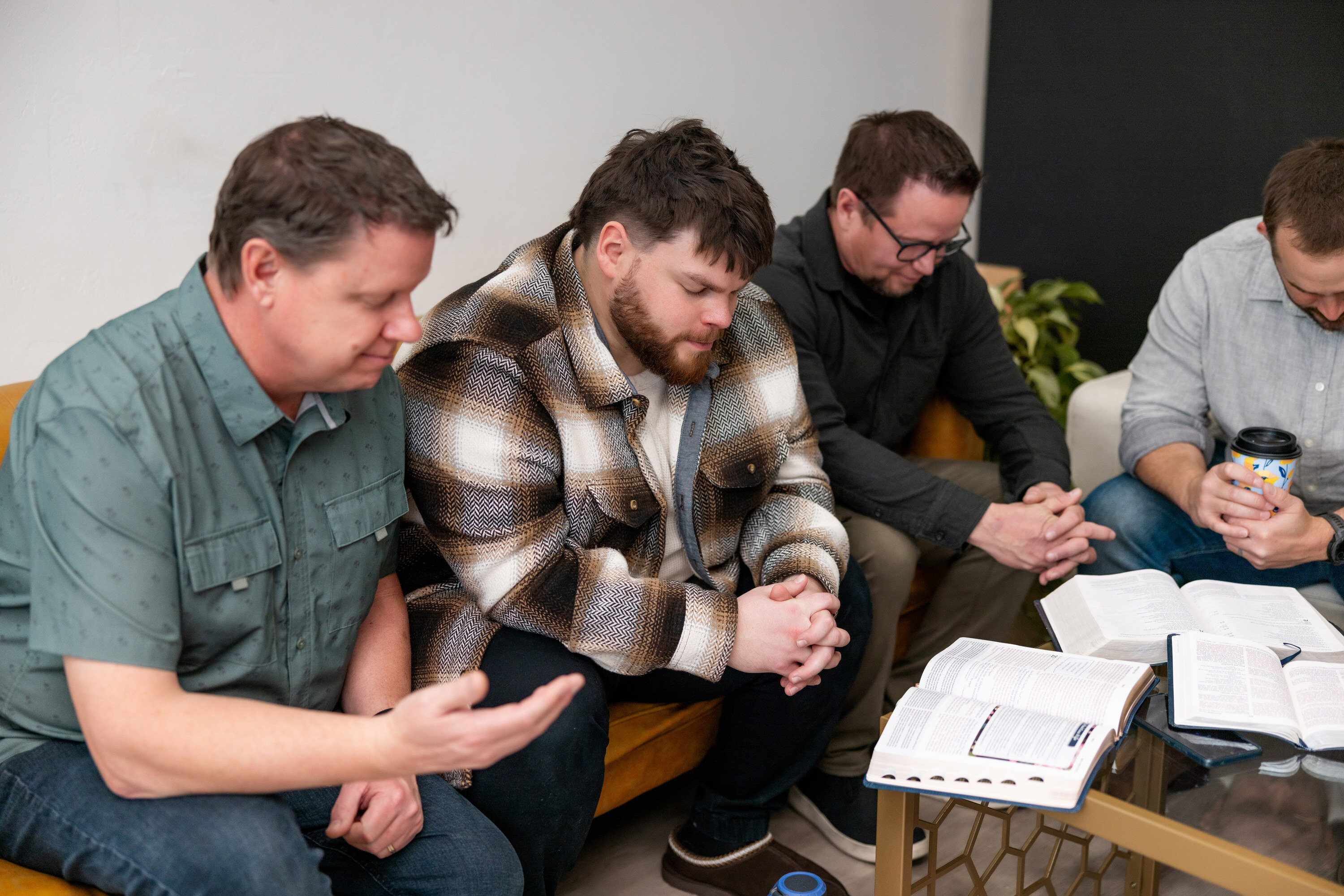
The five-stage Inclusive Pathways framework
Inclusive Pathways is a church training and consulting program by A Little Extra Love. It gives leaders a supported process for moving from good intentions to sustainable ministry.
The framework has five stages.
1. Assess the church’s current reality
The first step is an honest picture of what is happening now.
Assessment looks at the family experience, leadership, communication, volunteers, safety, physical and sensory access, discipleship, ministry systems, and readiness for change.
This is not a pass-or-fail judgment. It identifies strengths, gaps, and the next questions the church should address.
A church may already welcome families warmly but lack consistent volunteer training. Another may have a strong children’s ministry but no path for teenagers or adults. Another may have accessible spaces but unclear communication with parents.
The right plan begins with the real church, not an idealized version of it.
2. Build a roadmap around the church
The next step is a roadmap shaped around the church’s size, team, theology, capacity, goals, and culture.
A roadmap creates order. It helps leaders decide which changes come first, who owns each step, what the timeline requires, and how the church will know whether the plan is working.
This protects the team from trying to change everything at once. It also protects families from promises the church cannot yet keep.
Inclusive Pathways does not place the same package on every congregation. The roadmap must fit the people who will carry it.
3. Equip leaders and volunteers
Volunteers are more confident when they understand the purpose of the ministry, the needs in front of them, and the actions they can take.
Training should prepare people for communication, sensory needs, behavior, safety, family partnership, accessible teaching, and the ordinary moments that shape whether a person feels known.
Leaders need training too. They set expectations, allocate time, support volunteers, communicate with the congregation, and decide whether belonging becomes part of the church’s culture.
Good training does not ask volunteers to become clinicians. It helps them serve as prepared, faithful members of the Church.

4. Launch with support
A launch is not one Sunday with new signs and a new room. It is the point when preparation becomes practice.
Before launch, the team should review volunteer roles, communication, safety, care plans, check-in rhythms, physical spaces, teaching supports, and how families will share feedback.
Support matters after launch because real ministry reveals questions no planning document can predict. Leaders need a place to process what they are seeing, adjust practices, and keep moving without losing confidence.
5. Sustain a culture of belonging
Sustainability turns a promising beginning into a dependable ministry.
The church needs practices for training new volunteers, supporting current leaders, reviewing family feedback, preparing for transitions, and keeping disability inclusion connected to the church’s wider mission.
Belonging should not depend on one event, one room, one age group, or one person. It should become visible in the way the church worships, teaches, communicates, serves, and grows together.
The plan should fit the church
Churches begin from different places.
Some are starting with no formal disability ministry. Some already have volunteers and accommodations but need greater consistency. Some are preparing for growth. Others are facing a specific question involving safety, communication, sensory needs, family trust, or a classroom that is not working.
Inclusive Pathways meets the church at that starting point.
The partnership can include assessment and clarity, systems and safety, training and coaching, accessible discipleship, done-for-you custom curriculum adaptation, implementation support, and sustainability planning. The exact scope should reflect the church’s current reality.
This work is done with the church, not handed to the church as a box of instructions.
The biblical case is bigger than welcome
Disability ministry is not a side interest for the few people who notice it.
Genesis 1 teaches that every person bears the image of God. First Corinthians 12 teaches that the parts of the body that may seem weaker are necessary. Luke 14 shows the host actively making room so the house can be full.
These passages move the conversation beyond whether a church is friendly. They point toward dignity, mutual care, discipleship, participation, and the completeness of the body of Christ.
Disabled people are not only recipients of ministry. They are members of the Church with gifts, relationships, leadership, and a place in its life.
The goal is not to create a separate corner for disability. The goal is to help the whole church become more faithful in the way it makes room, shares life, and disciples people.
How your church can begin
Your church does not need to promise a complete ministry before it understands the next step.
Begin with this sequence:
- Bring the right people together. Include a pastor or decision-maker, a ministry leader, a person who understands operations or safety, and someone who knows the family experience.
- Take an honest inventory. Use the Church Inclusion Scorecard to identify strengths, gaps, and questions that need attention.
- Name the immediate priorities. Choose the barriers affecting families now. Do not bury the team under a complete wish list.
- Choose a ministry champion. Identify one person who can coordinate the work with visible leadership support.
- Schedule a conversation. Talk through the church’s size, people, capacity, and next faithful step.
- Set a realistic pace. Build a timeline the church can carry and families can trust.
The first conversation is not a commitment to a fixed program. It is a clear look at the church’s current reality and the path forward.
What progress should feel like
Progress does not mean every question disappears.
It means families know whom to contact. Volunteers understand their roles. Leaders share ownership. Communication becomes more consistent. Safety questions receive thoughtful answers. Teaching becomes more accessible. The church can welcome feedback without becoming defensive.
It also means the team can keep learning. Disability ministry grows through relationships, reflection, practice, and faithful adjustment.
A strong plan does not make ministry impersonal. It gives people enough clarity to be more present with one another.
A practical path forward
Families should not have to choose between following Jesus and finding a church where their whole family can participate.
Churches should not have to build a sustainable disability ministry alone.
Inclusive Pathways helps churches assess, build, equip, launch, and sustain a culture where disabled people and their families can belong, grow, serve, and stay.
You can begin without having every answer. Start with an honest picture. Gather the right people. Choose the next faithful step.